Stump grinding and removal in Orlando, FL comes down to one early decision: grind it down or dig it out. That choice affects your price, your timeline, and what you can build or plant on the spot afterward. Here's how Orlando homeowners should weigh both options before a crew ever shows up.
Grinding vs. Full Removal: Which Orlando Stumps Need Which Method
Stump grinding and stump removal get used like they're interchangeable, but they're two different jobs with two different price tags.
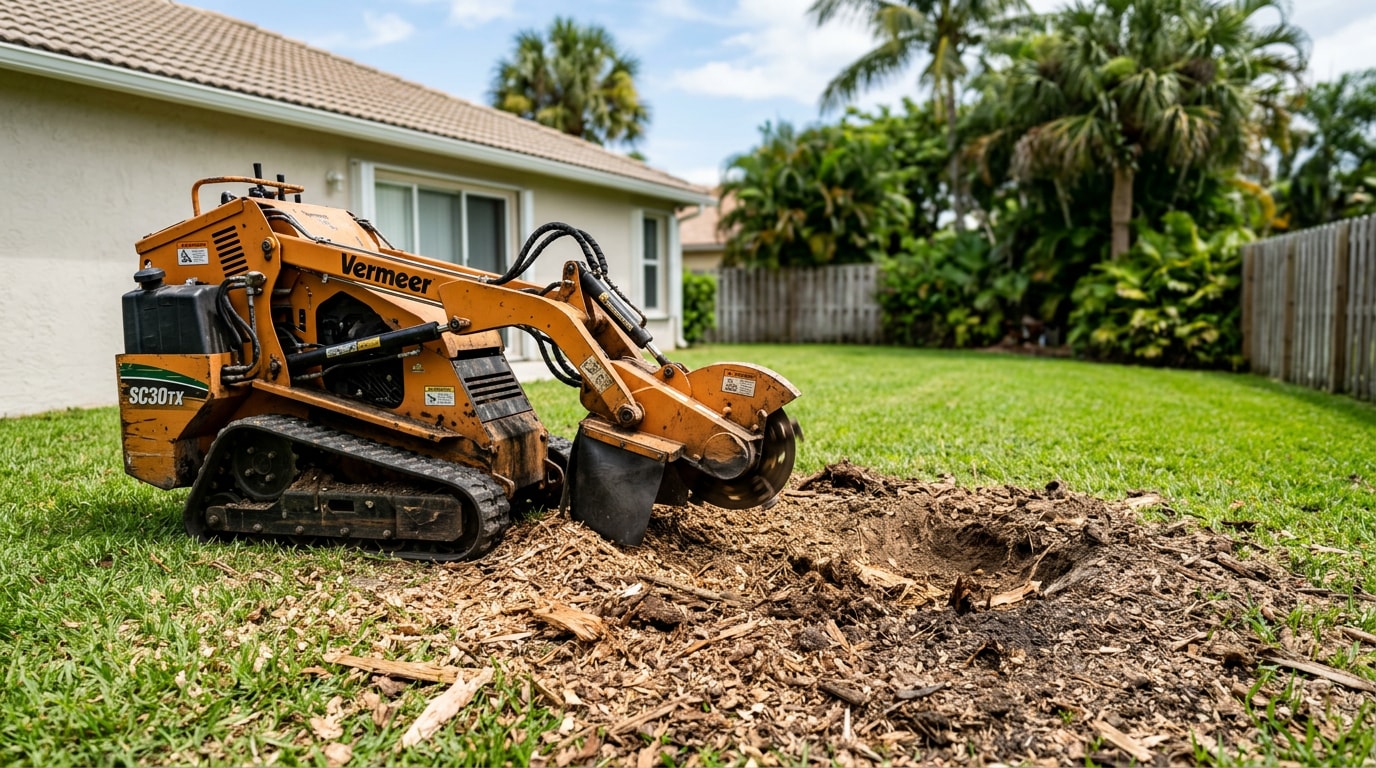
Grinding uses a specialized machine to chew the stump down below ground level. Full removal pulls the stump and most of its root mass out of the ground entirely. Knowing the difference up front makes it easier to choose the right fit for your tree care needs — and easier to spot an inflated quote.
Is It Better to Grind a Stump or Dig It Up?
Grinding wins for most homeowners. It's faster, cheaper, and leaves the yard mostly intact. Digging up a stump only makes sense when you need the entire root ball gone, such as before building a pool, a patio, or replanting a tree in the exact same spot.
Here's how the two methods stack up:
- Speed: Grinding a single stump typically takes under an hour. Digging up a stump and its root system can take half a day or more, depending on size and soil.
- Cost: Grinding almost always costs less. It requires less labor and no hauling of heavy root mass off-site.
- Root removal: Grinding addresses the visible stump only; roots are left to decay naturally. Full excavation removes the structural root ball, which matters for construction, irrigation lines, or replanting in the same footprint.
- Yard disruption: Grinding leaves a shallow hole with wood debris. Digging leaves a much larger excavation site, often requiring fill dirt and regrading.
- Best use case: Choose grinding for general yard cleanup and curb appeal. Choose excavation when roots themselves are physically in the way.
Roots left behind after grinding don't vanish overnight. The decomposition process of tree roots is gradual, and depending on the type of tree and the size of its root system, it can take several years, sometimes even 10 years or more, for the roots to completely break down. Soil scientists at the University of Georgia and USDA note that the natural decay process can take many years depending on soil and stump attributes, and the stump decay process accelerates as soil temperature rises , which is one reason Florida's warm, humid climate speeds things along compared to cooler regions. You can review the full decay-rate research from the University of Georgia and USDA Forest Service if you're curious how your stump's species and soil type affect the timeline.
What Is the Easiest Way to Remove a Tree Stump?
For most Orlando homeowners, hiring a professional stump grinder is the easiest path. No equipment rental, no heavy lifting, and the job is usually finished in under an hour per stump.
DIY options exist: chemical rot accelerants, burning, or manual digging with hand tools. Each comes with trade-offs. Chemical methods take weeks or months to soften wood enough to break apart. Manual digging is physically demanding and risks hitting buried utility lines or irrigation piping. On paper, DIY looks cheaper. Factor in your time, a rental grinder, and the cleanup, and professional grinding usually wins.
What Stump Grinding and Removal Cost in Orlando, FL
Most Orlando quotes fall into one of two buckets: machine grinding or manual excavation. Pricing for either depends on stump diameter, root depth, site access, and how many stumps need attention on the same visit.
| Stump Diameter | Typical Grinding Range* | Full Excavation Range* |
|---|---|---|
| Under 12 in | $75 – $150 | $300+ |
| 12–24 in | $150 – $300 | $500+ |
| 24–36 in | $300 – $450 | $800+ |
| 36 in and up | $400 – $700+ | $1,200+ |
*Ranges reflect general industry pricing patterns and vary by access, wood density, and root spread. Request a free, stump-specific quote for exact Orlando pricing.
Manual Removal
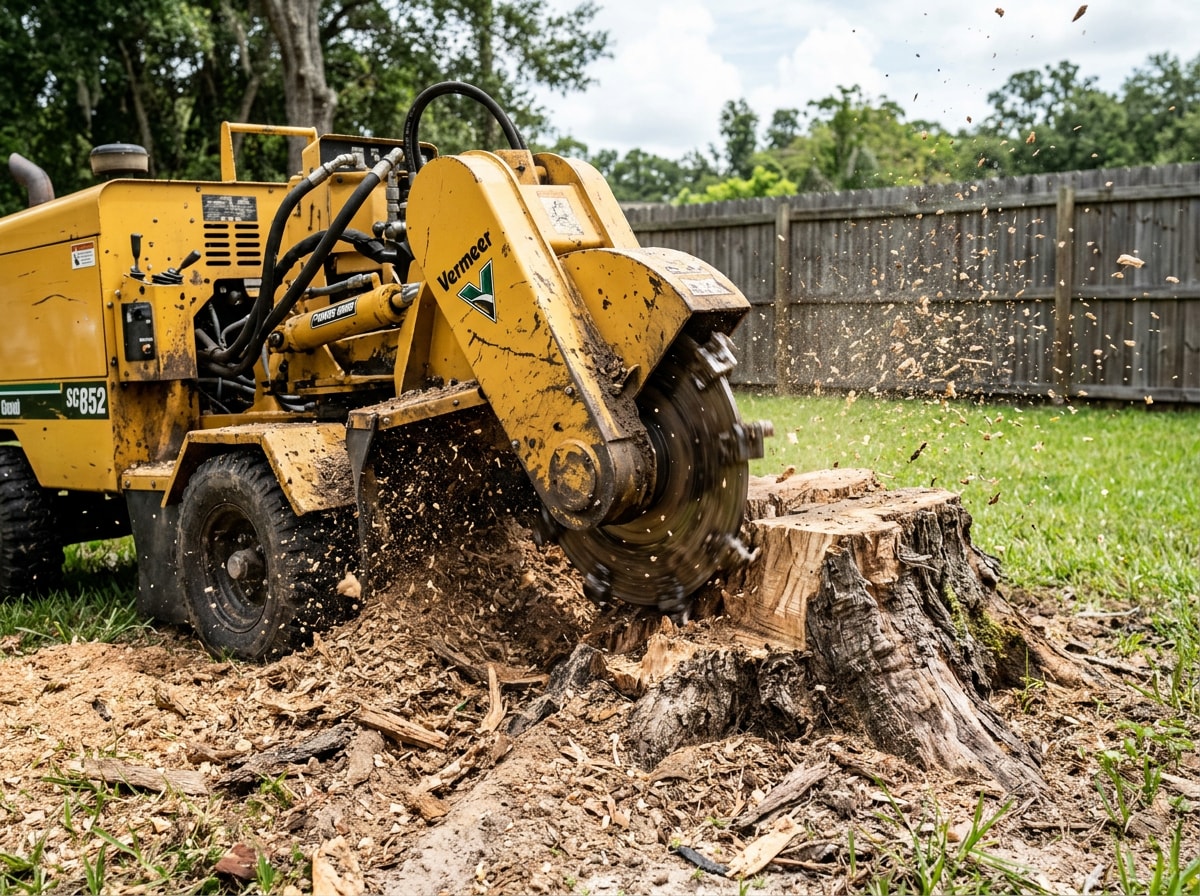
Manual stump removal, also called full excavation, digs out the stump along with its root ball using heavy equipment or hand tools. It's the more labor-intensive option, which shows up in the price.
Homeowners typically choose manual removal when they plan to replant a tree in the exact same spot, build a pool or structure over the footprint, or want every trace of the root system gone. Because it disturbs more soil and often needs backfilling, expect a longer job and a bigger cleanup footprint than grinding alone.
Stump Grinding Pricing Factors
Contractors generally price grinding by the diameter inch, with most single-stump jobs falling well below full excavation. Exact pricing shifts with contractor, stump size, and site accessibility, so treat any published figure as a starting range rather than a guarantee.
Several factors move the number up or down:
- Wood density. Dense hardwoods like oak take longer to grind than pine and cost more per inch.
- Root flare and depth. A stump with a wide root flare at ground level takes more passes than a clean, narrow cut.
- Site access. Tight gates, fences, or slopes slow the crew down and may require a smaller machine.
- Multiple stumps. Many companies offer a per-stump discount once equipment is already on-site, since setup and travel time get shared across the job.
Why Leftover Stumps Are a Bigger Problem in Florida Yards
Florida's sandy soil, high humidity, and frequent storm-driven tree loss make stump work here a little different than it is up north. Sandy soil shifts unpredictably around buried roots, and storm-damaged trees often leave larger, harder-to-reach stumps than routine removals.
There's also a pest angle that's easy to underestimate. Two highly destructive invasive termite species have spread well beyond South Florida and are now threatening structures across much of the state , according to a 2026 University of Florida study. A decaying stump near the house is exactly the kind of moisture-retaining wood that gives a colony somewhere to establish before it ever finds your siding or framing. Grinding the stump out doesn't guarantee a colony won't exist nearby, but it removes a food source and foraging route that a rotting stump would otherwise provide for years.
Professional-grade grinding equipment is built to handle large-diameter stumps and tight access near fences, sheds, or foundations, situations where a rental-grade machine often stalls out. Crews who handle stump work across Central Florida week after week also know how to flag buried irrigation lines and utility runs before the grinder ever touches the ground, which matters more in sandy, root-tangled Florida lots than it does in firmer clay soils elsewhere.
Cleanup and Finish Options After Grinding
Once grinding wraps up, the crew typically rakes and clears wood debris from the work area before leaving. From there, homeowners usually pick one of a few finish options.
- Keep the chips. Use them as mulch elsewhere in the yard.
- Full haul-away. Clean, debris-free look with nothing left behind.
- Backfill and level. Soil cap over the ground hole, usually the better call if you're prepping for sod or new landscaping.
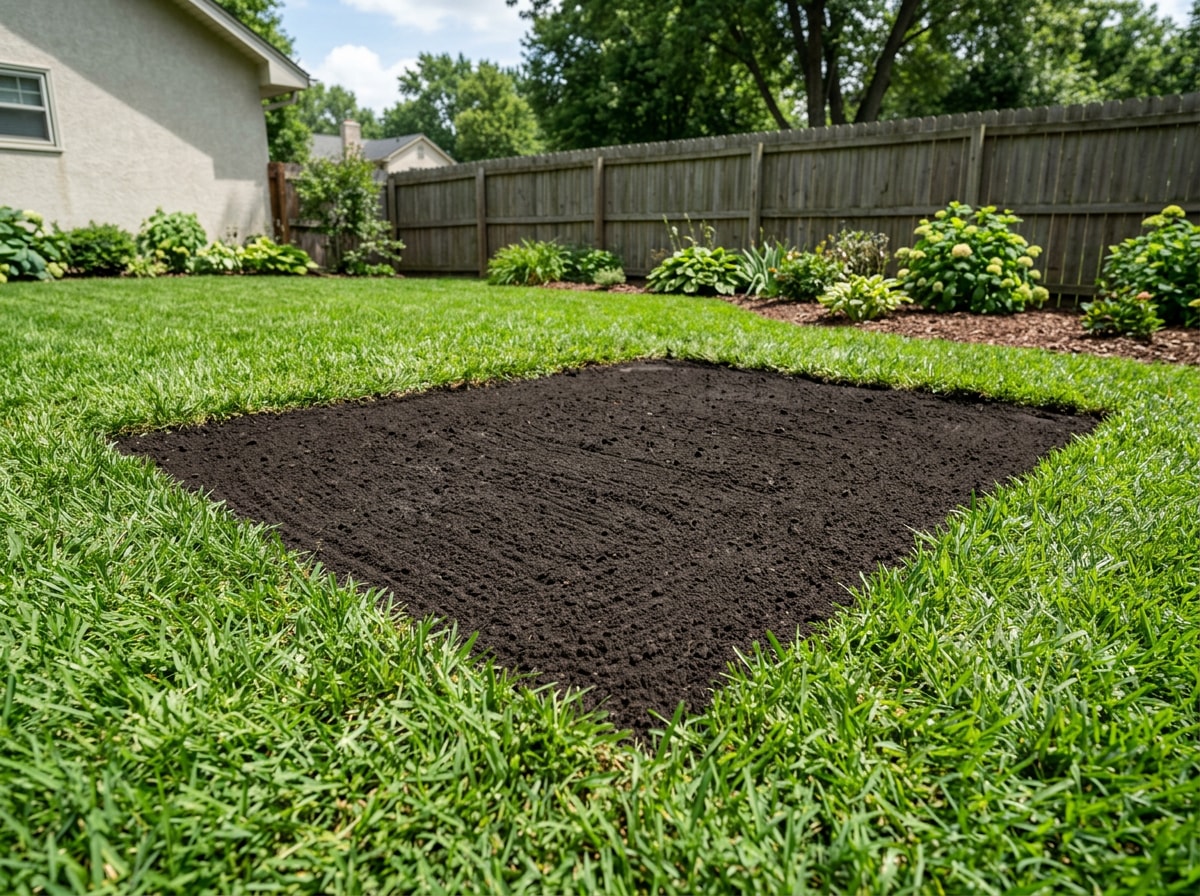
Leaving loose wood chips packed into the hole can lead to settling as they break down, which is why a soil cap is usually recommended instead of ground wood chips alone. Extension horticulturists warn against planting directly into decomposing stump material for the same reason: the sawdust left behind from grinding and removing a stump usually drastically changes the structure and nutrient balance of the soil, making it difficult for a new tree to grow . If you're planning new sod or a planting bed where the stump used to be, backfilling with clean soil first will save you a sunken, uneven patch down the road. If the finished area is part of a larger yard refresh, our guide to landscaping in Orlando walks through softscape and hardscape options for the space once the stump is gone.
Stump Grinding Safety: Why DIY Rental Grinders Carry Real Risk
Powered grinding equipment carries real injury risk when it's operated without training, from kickback to high-speed debris ejection. Federal workplace-safety investigators have documented fatal accidents involving wood-processing equipment operated without proper guards or training. A Colorado OSHA area office investigated a fatal accident in which a chipper operator was killed after being pulled into the machine , a reminder of why this equipment isn't something to treat casually even for a weekend rental job. You can review federal safety guidance on wood-processing equipment hazards for the precautions professional operators are trained to follow.
Experienced crews also know how to manage flying debris safely and check for buried utility lines before the first pass. For larger properties or storm cleanup, it's worth exploring the full range of tree services available, including emergency tree removal when a storm leaves you with more than one stump to deal with at once. Ready to get a number on your own yard? Request a free estimate and we'll walk the property with you before quoting anything.
FAQ
How Much Does Stump Grinding Cost in Orlando, FL?
Most single-stump grinding jobs in the Orlando area land well under the cost of full excavation, with price driven mainly by diameter, wood density, and site access. Multiple stumps on one visit are usually cheaper per stump than a single stump booked alone. The only way to get an exact number is a site-specific quote.
Do You Remove the Roots Too When Stump Grinding?
No. Stump grinding removes the visible stump and several inches below grade, but most of the root system stays in the ground. Those roots gradually decay on their own over the following years.
How Soon Can I Plant Grass After Stump Grinding?
Most yards are ready for regrading and topsoil within a few days to a couple of weeks after grinding. If wood chips are left in the hole instead of backfilled with soil, expect some settling before grass takes hold evenly.
Can I Plant a New Tree After Stump Grinding?
You can, but not immediately in the exact same spot. Leftover sawdust and decomposing wood change the soil structure and nutrient balance right where the stump was, which makes it a poor planting bed for a year or two. Backfilling with clean soil, or planting a few feet away from the old root zone, gives a new tree a better start.
Can You Grind a Stump Close to a Fence or House?
Yes, in most cases, though tight clearance near a fence or house may require a smaller grinder or extra care to protect structures. Always flag nearby utility lines before equipment access begins.
How to Get Rid of a Stump in 2–3 Days Naturally?
Natural methods like Epsom salt or nitrogen-based rot accelerants, combined with covering the stump, can speed up decay, but true removal in just two or three days isn't realistic for most stumps. Professional grinding remains the fastest reliable option by far.
Ready to clear the stump and move on to the next project? Visit {{SITE_URL}} to see our full range of services, or head straight to {{SITE_URL}}/contact for a free estimate on your Orlando property.