No, you cannot lay sod over existing grass in Lake Mary, FL and expect it to survive. New sod has to touch bare soil to root, and a layer of old St. Augustine, Floratam, Zoysia, or bahia underneath blocks that contact every time. Here's why the shortcut fails in Seminole County's sandy soil, and the right way to replace a lawn so it actually lasts.
The Quick Answer: Why Sod Over Grass Doesn't Work
Technically, you can drop sod on top of an existing lawn. It just won't stay alive long enough to matter.
New sod needs root-to-soil contact to establish, and regardless of whether you're seeding or laying sod, soil has to be prepped first. Soil should be prepared whether you are planting a new lawn or replanting an existing one and whether you are seeding or propagating vegetatively. That means clearing the old lawn down to dirt, not laying fresh turf on top of it.
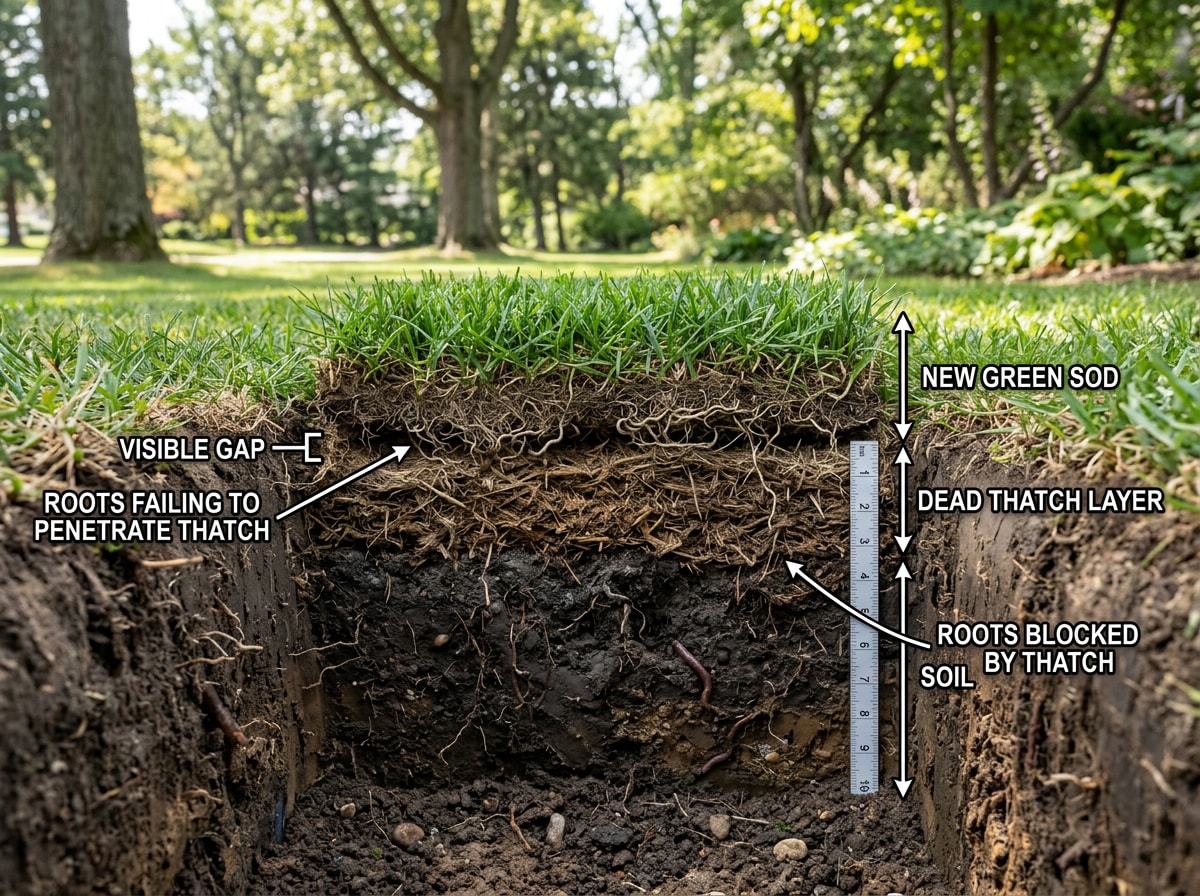
When our crews at Deep South Outdoors pull up a failed sod-over-sod job in Heathrow or Timacuan, the pattern is always the same: thin, shallow roots, a spongy mat of half-rotted turf underneath, and standing water in spots that used to be flat. It's a predictable failure, not bad luck.
Why Laying New Sod Over Old Grass Fails
A few things go wrong at once when new turf sits on an old lawn instead of soil, and they compound each other over a season.
Roots Never Reach the Soil
Sod arrives with almost no root system. It depends on fast, firm contact with loosened dirt to start pulling water and nutrients. Old grass, thatch, and decomposing roots sit in the way like a mat, and the new sod's roots simply stop when they hit that barrier instead of pushing through to real ground.
The Buried Lawn Rots and Settles Unevenly
Grass left underneath doesn't just sit there quietly. It decomposes, and it does so unevenly across the yard. That creates dips where water pools after Central Florida's afternoon storms and high spots that dry out and brown faster than the rest of the lawn. No amount of careful sod-laying fixes a surface that's shifting underneath it.
Pests, Disease, and Weeds Carry Over
Whatever was wrong with the old lawn, chinch bugs, fungus, weed seed, doesn't disappear when you cover it up. It's still there, now trapped under fresh sod with more moisture and less airflow, which is exactly the environment pests and fungal disease prefer.
How to Properly Replace a Lawn in Lake Mary
Doing this right means working through four stages in order. Skipping from "remove the old grass" straight to "lay the new sod" without prepping the soil in between is where most DIY resod jobs go sideways.
1. Gather the Right Tools
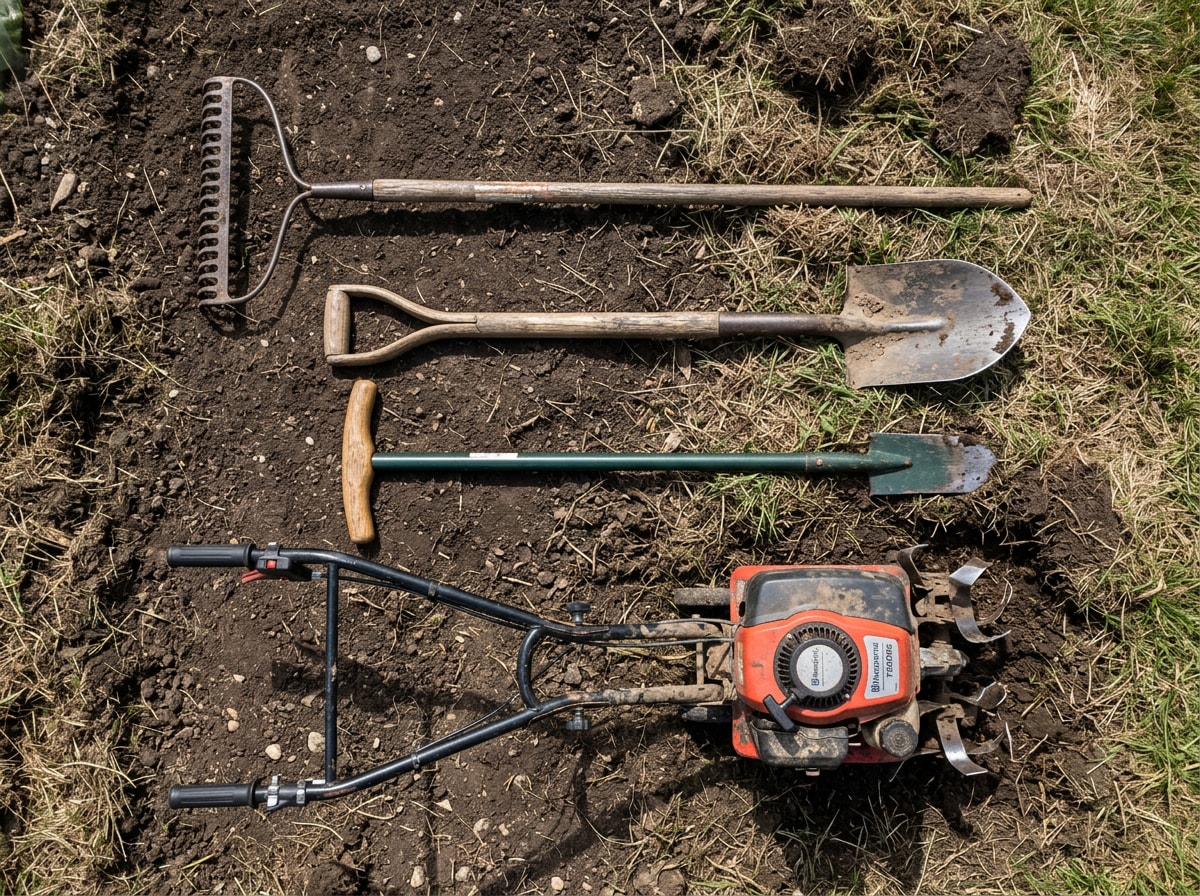
| Tool | Why You Need It |
|---|---|
| Sod cutter (rental) or flat shovel | Strips old turf to bare soil |
| Rake | Smooths and grades after removal |
| Herbicide (optional) | Kills grass before mechanical removal |
| Tiller | Loosens compacted soil 3 to 4 inches deep |
| Topsoil or compost | Amends sandy, nutrient-poor soil |
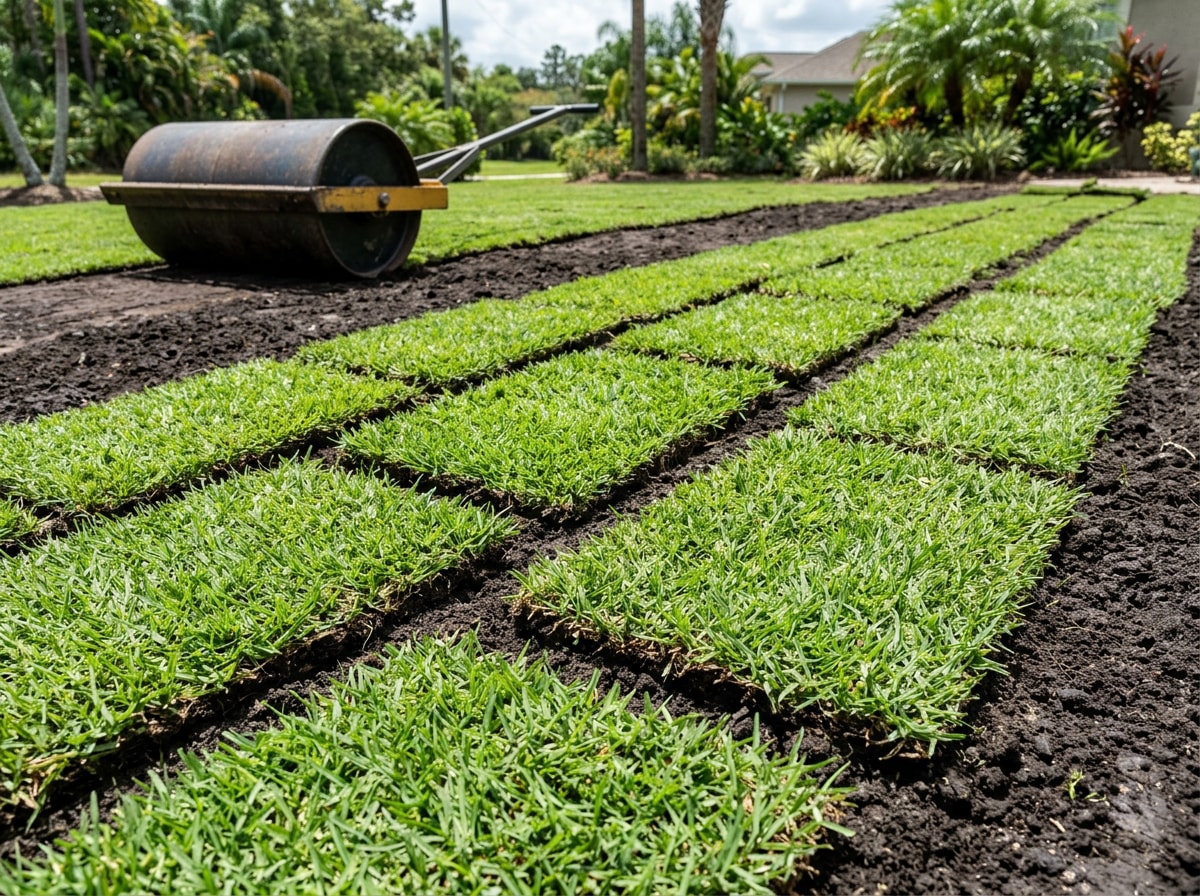
| Lawn roller | Presses new sod flush, removes air pockets |
| Hose or sprinkler | Waters new sod immediately after laying |
2. Remove the Old Lawn Completely
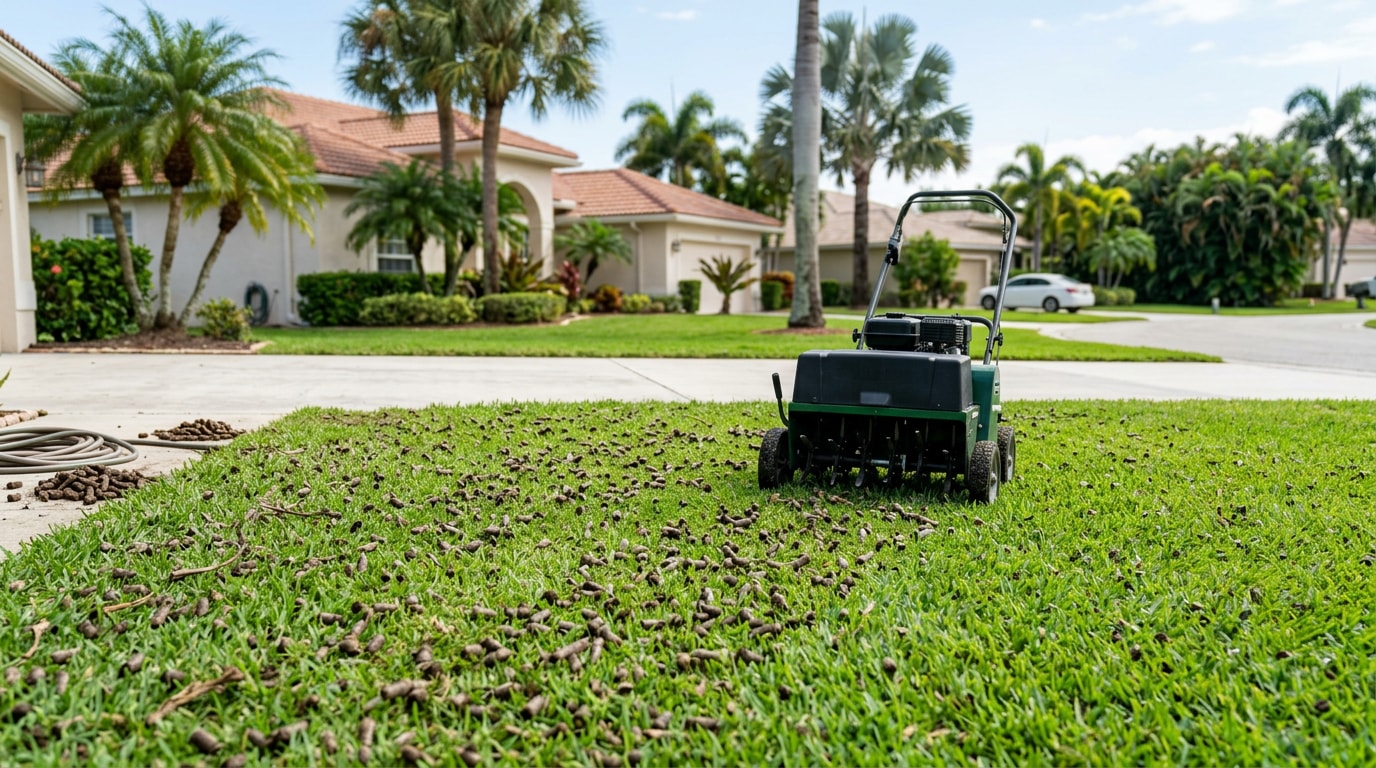
Rent a sod cutter for anything larger than a small patch. It strips turf down to bare dirt in manageable strips far faster than hand tools. Smaller areas can be handled with a flat shovel.
Some homeowners spray an herbicide first and let it work before cutting, which reduces regrowth and the odds of old grass pushing back up through the new sod later. In Lake Mary, time this step around the forecast. Starting removal right before a heavy summer downpour just makes the ground soggy and the work slower.
3. Prep and Test the Soil
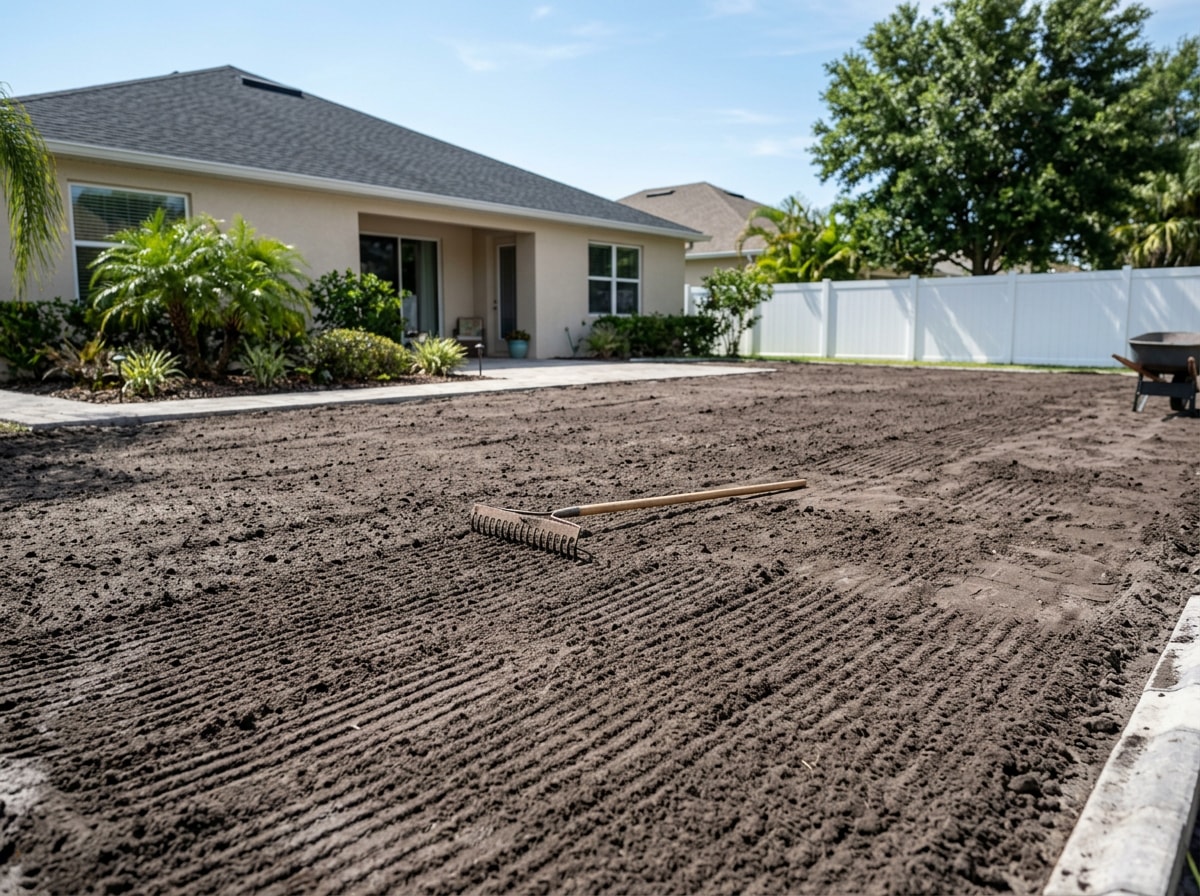
Once the yard is down to bare dirt, till the top three to four inches and grade it so water runs away from the house, sidewalks, and driveway. The site should be sloped at 1% to 2%, roughly a half-foot to one-foot fall per 50 feet, away from the house.
Most Lake Mary lots sit on the same sandy Seminole County soil, which drains fast but holds onto very little in the way of nutrients. A soil test tells you exactly what to add before sodding instead of guessing.
Seminole County's UF/IFAS Extension office runs a low-cost pH testing service for residents. Most soil testing for landscape and vegetable gardens can be accomplished with a simple soil pH test, and a pH determination can be done in our lab for $2.00 per sample.
Samples may be brought in Monday through Friday, and testing is conducted on Thursdays, with results called in within one week. That's a cheap, fast way to know whether your new lawn needs lime or amendments before you spend money on sod.
4. Lay the New Sod Correctly
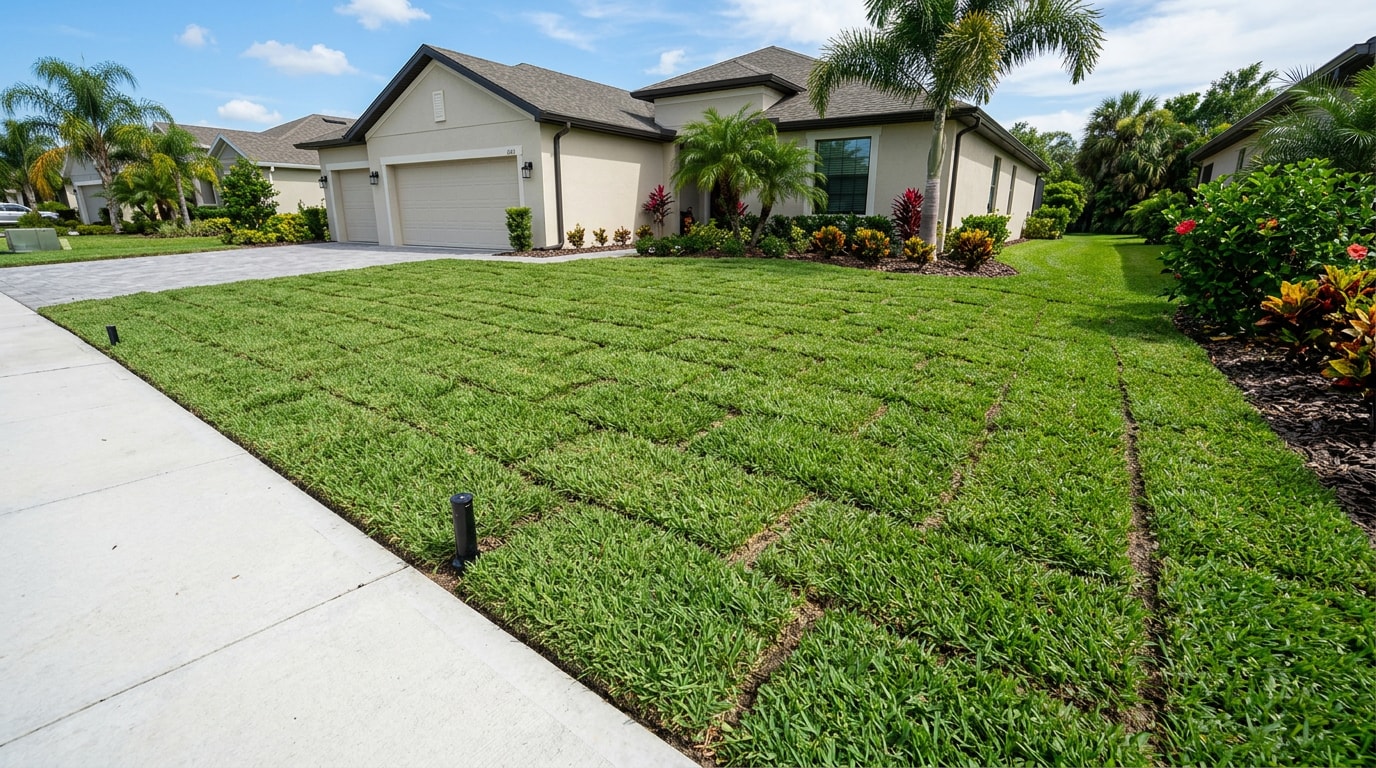
Start along the straightest edge of the yard, usually a driveway or sidewalk, and work outward row by row. Stagger the seams in a brick pattern rather than lining them up, and press each piece firmly against its neighbor so there are no gaps.
Water thoroughly within thirty minutes of installation. In Lake Mary's heat, exposed sod can start drying out within the hour. Keep it consistently moist through the first two to three weeks while roots knit into the soil below, then taper watering as the lawn establishes.
If the full tear-out and relay sounds like more weekend than you want to give up, our sod installation team handles the removal, soil prep, and install in one visit, and we know which Lake Mary HOAs are strict about turf variety and seam lines.
Can You Lay Sod Next to Existing Grass?
Patching a bare or damaged section is a different job than replacing the whole lawn, and it's usually a reasonable weekend task. Measure the damaged area, buy roughly a third more sod than the measurement calls for, and cut a clean, square patch so the new piece sits flush with the surrounding grass.
In Lake Mary subdivisions, matching grass variety matters more than most homeowners expect. Mixing Floratam with a different St. Augustine cultivar creates a visible color and texture seam that never quite blends in, and many Lake Mary and Seminole County HOAs have turf-matching language written into their covenants. Confirm the variety before you buy.
For a broader look at planting beds, sod, and softscape budgeting across the region, our softscape services guide breaks down what typically gets bundled into a planting project.
Common Mistakes That Sink a New Lawn
- Skipping soil prep. This is the single most common error and the one most likely to doom new sod from day one.
- Overlapping seams instead of staggering them. Overlaps create raised ridges and weak points where roots struggle to knit together.
- Under-watering the first two to three weeks. Especially risky during Florida's hotter months, when sod can dry out in hours.
- Ignoring pest or disease problems in the old lawn. Whatever caused the first lawn to fail usually transfers straight to the new one if it isn't addressed first.
- Laying sod on compacted soil without tilling. Compacted dirt is nearly as bad as old turf when it comes to blocking root penetration.
Once the new lawn is in, routine care keeps it from repeating the same decline. Our lawn maintenance service covers mowing height, fertilization timing, and irrigation checks so a fresh resod actually stays fresh.
FAQ
Can I lay new sod over dead grass?
No. Dead grass still blocks soil contact the same way live grass does. It should be removed or scalped down to bare soil before installing new sod.
Can you lay sod directly over dirt with no prep at all?
Not successfully. Proper soil preparation prior to grass planting is critical to ensure the establishment of a quality turf, and preparation determines how quickly the lawn becomes established. At minimum, loosen the top few inches and rake it smooth before laying sod.
How long does it take new sod to root in Florida?
Most warm-season sod begins establishing within one to two weeks of installation if it has firm soil contact and consistent moisture. Full root establishment typically takes three to four weeks.
When is the best time to put sod down in Lake Mary, FL?
Florida's mild winters allow a longer sodding window than northern states, but it's best to avoid installing during peak summer heat or just before heavy rain, which stresses new roots before they can anchor.
What is the best material to put under sod?
Bare, loosened, amended native soil, not sand alone and not old turf. Topsoil or compost amendments help correct Lake Mary's typically sandy, low-nutrient soil before sodding.
Should you water sod as soon as you put it down?
Yes. Water immediately and keep the sod consistently moist for the first two to three weeks to prevent root dehydration, especially during Florida's hotter months.
Can I lay sod next to existing grass without replacing the whole lawn?
Yes, for spot repairs. Cut a clean, square patch, match the grass variety exactly, and set the new sod flush with the surrounding lawn so it doesn't create a raised or sunken seam.
Ready to stop guessing and get it right the first time? Get a free estimate from our Lake Mary crew, and we'll walk your yard, check the soil, and tell you straight whether a full resod or a simple patch is the better call. You can also browse our work in the Lake Mary service area or contact us with questions before you buy a single pallet of sod.