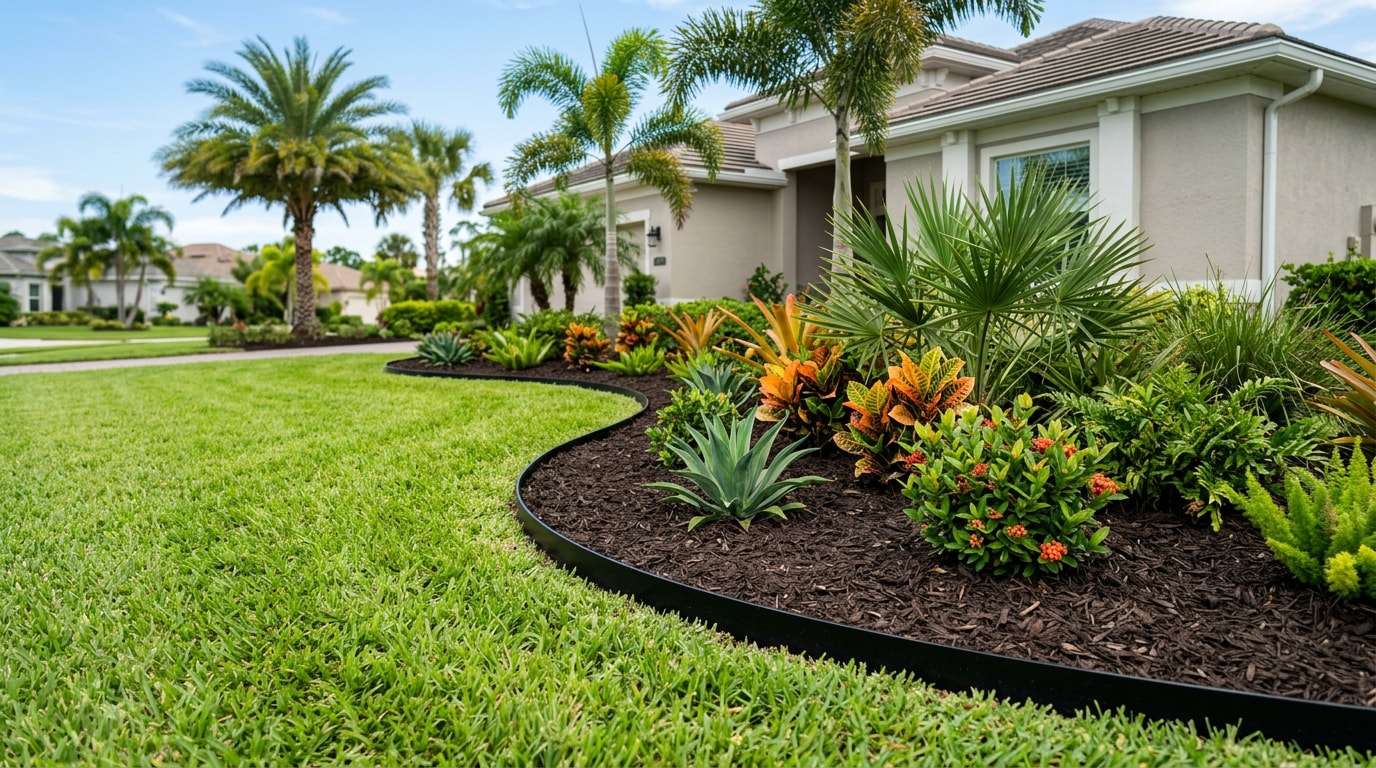
Aluminum edging for landscaping in Windermere, FL holds a clean line through sandy soil, summer downpours, and HOA design reviews in communities like Horizon West and Isleworth. It won't rust, it bends into smooth curves by hand, and it outlasts plastic by decades. Here's what it actually costs, how it stacks up against steel and plastic, and how to get it installed right the first time.
Aluminum vs. Plastic vs. Steel: Quick Comparison
Before the details, here's the short version homeowners usually want first.
| Material | Installed Cost (per linear ft) | Typical Lifespan | Best For |
|---|---|---|---|
| Plastic/HDPE | $1–$3 | 3–7 years | Temporary beds, strict budgets |
| Aluminum | $3–$8 | 20–30+ years | Curved beds, permanent borders, mower traffic |
| Steel | $6–$14 | 15–25 years | Long, dead-straight runs |
For most Windermere yards, aluminum lands in the sweet spot: tougher than plastic, lighter and more curve-friendly than steel. The rest of this guide breaks down why, plus what the install actually involves.
Why Aluminum Edging Works So Well in Windermere Yards
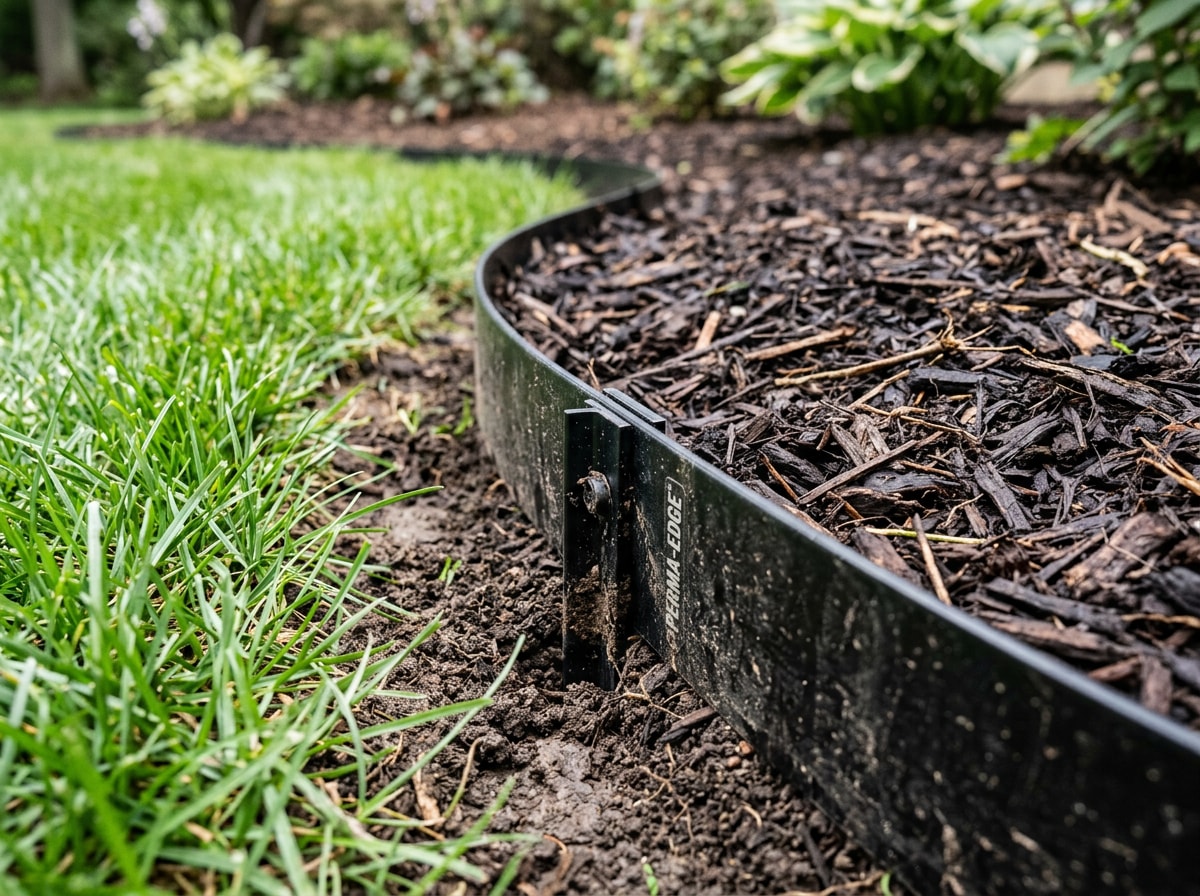
Aluminum landscape edging is a thin metal strip, usually extruded or roll-formed, installed vertically along bed lines to separate turf from mulch, gravel, or planting beds. It sits in a practical middle ground: lighter and easier to shape than steel, sturdier and longer-lasting than plastic.
It won't rust. Instead of corroding like steel, aluminum forms a thin oxide layer on its surface that protects the metal underneath, which matters in a climate where edging sits in wet soil for months at a time.
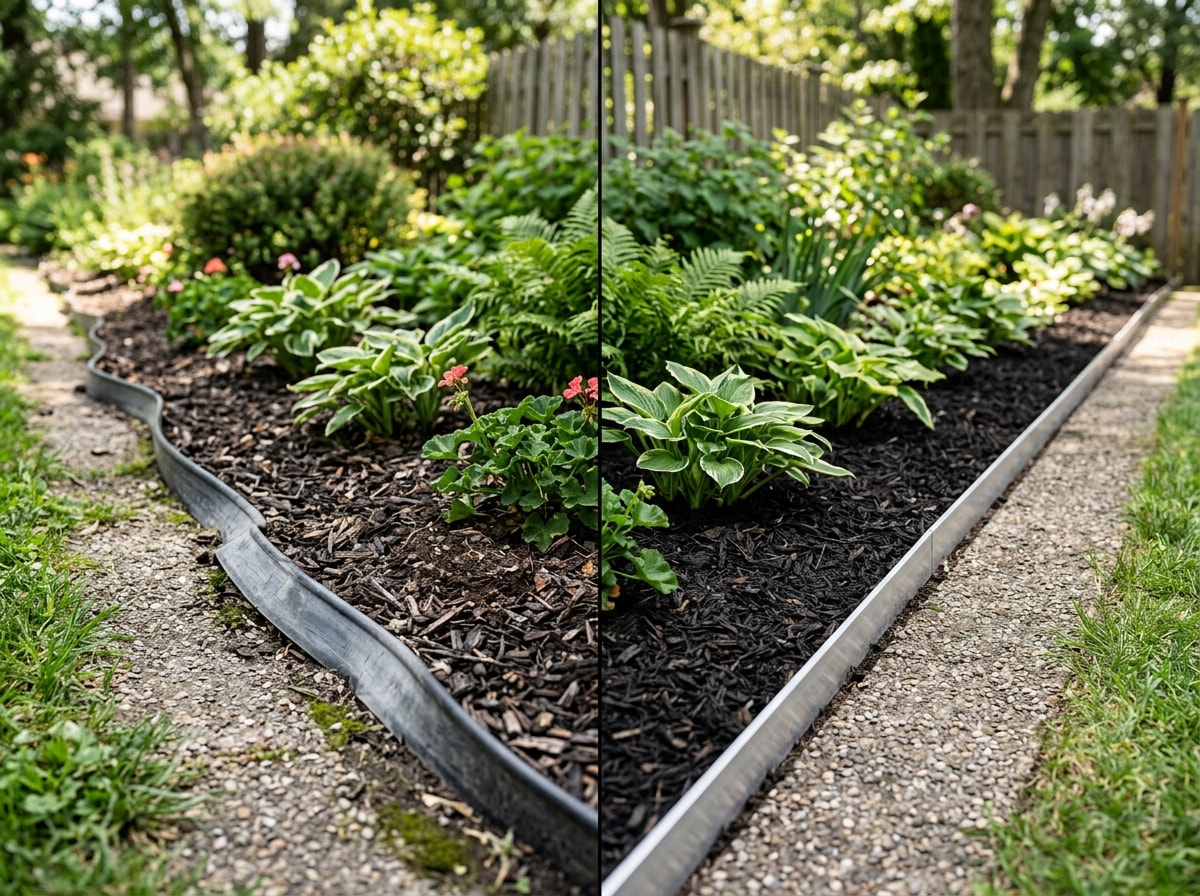
It's also flexible enough to bend into smooth curves by hand, so it works well for rounded beds, winding paths, and free-form lawn shapes. Steel holds a slight edge on rigidity for long, dead-straight runs, but for curved residential beds, aluminum is usually the easier material to work with.
That matters more in Florida than in most places. St. Augustine grass, the most common lawn grass across Central Florida yards, has stolons, aboveground stems with areas of actively dividing cells at the nodes , which is exactly the mechanism that lets it creep past a weak border into mulch beds. A solid aluminum edge stops that spread at the line instead of a few feet into the bed.
Florida's downpours are the other local factor. Standard Florida HOA landscaping guidelines call for trenching the line where a mulch bed meets a hard surface so the bed holds its material instead of washing or blowing away, keeping mulch-to-hardscape bed lines lightly trenched so existing and applied mulch stays contained . Aluminum edging does the same job for mulch-to-turf lines, which is why it holds up better than plastic during Central Florida's heavy summer rain.
Homeowners weighing a DIY weekend project against professional installation can browse our landscaping supply store for material options and labor pricing specific to the area.
What Aluminum Edging Costs in Windermere, FL
Aluminum edging typically runs $3 to $8 per linear foot installed in this market, depending on gauge thickness and bed complexity. That's higher upfront than plastic but considerably less than most steel options once labor is factored in.
A few local factors move that number up or down:
- HOA material approval. Some Horizon West and Isleworth communities require design review before installation starts. Build in a week or two of lead time.
- Sandy soil. Windermere's sandy soil trenches easily, which keeps labor hours, and therefore labor cost, on the lower end compared to clay-heavy regions.
- Bed complexity. Tight curves, obstacles, and splice points add labor time regardless of material.
On a recent Horizon West project, our crew pre-marked the bed curves with marking paint before trenching, which cut install time noticeably compared to eyeballing the line as they dug. That's a small step, but it's the difference between a clean afternoon job and a frustrating one.
If you're planning a larger hardscape project alongside new edging, our landscape installation guide for Windermere covers process and cost ranges for the bigger picture, and aluminum paver restraints are worth asking about if your project includes a paver patio or walkway.
Plastic Edging: The Budget Option
Plastic landscape edging, usually HDPE, is the lowest-cost option and the easiest for a first-time DIYer to install. Rolls are lightweight, flexible, and widely available at any home improvement store, which makes it a reasonable choice for renters or short-term projects.
The tradeoff shows up within a few years. Florida's UV exposure makes plastic brittle over time, and it tends to crack, warp, or pop out of the ground after heavy rain or mower contact. Plastic wins on day-one cost. It loses steadily after that, especially in beds that get regular foot traffic or lawn equipment nearby.
Step-by-Step: How to Install Aluminum Edging
Here's how to install aluminum edging correctly, whether you're doing it yourself or checking a contractor's work.
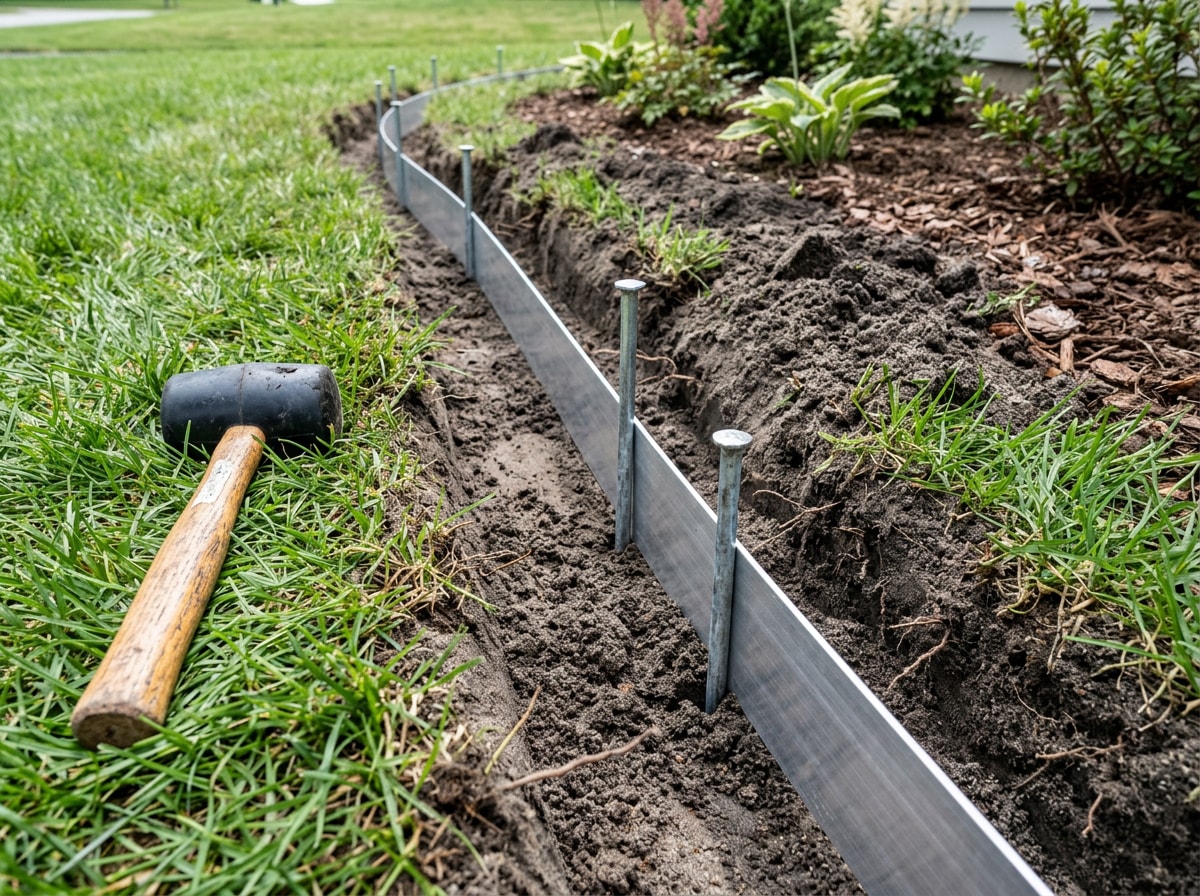
Tools needed: shovel or edging spade, rubber mallet, measuring tape, stakes.
- Mark your bed line with a hose or marking paint to plan smooth curves before digging.
- Dig a narrow trench slightly deeper than the edging's height, following your marked line.
- Place the first section into the trench, keeping the top edge level with the surrounding grade.
- Connect additional sections using the manufacturer's splice pieces or overlap joints.
- Drive stakes through the pre-punched holes at regular intervals to lock the edging in place.
- Backfill both sides and tamp the soil firmly against the edging.
These steps are fairly consistent nationwide, but Windermere's sandy soil comes with one caveat: it drains fast, which is great for trenching, but loose fill near newer construction may need deeper or more frequent staking to prevent shifting.
A DIY install is realistic for most homeowners with a free afternoon. For larger properties, tricky curves, or paver tie-ins, our team covering Windermere, FL can handle installation start to finish. Get a free estimate before you buy materials so you know what a professional install would run.
Maintaining Your Aluminum Edging
Aluminum edging maintenance is minimal by design. No sealing, painting, or annual treatment is required, since the oxide layer that protects it forms on its own and doesn't wear off.
The real-world risk in Florida yards isn't the edging corroding, it's mower and trimmer contact bending sections out of alignment. A quick visual check each season and an occasional tap back into place with a mallet covers most of what aluminum edging needs.
Why Aluminum Is the More Sustainable Choice
Aluminum is one of the more sustainable landscape edging materials available. It's one of the most recycled and recyclable materials in common use, and recycling rates for aluminum in markets like automotive and building construction exceed 90%. Choosing it also means less material heading to landfills compared to plastic, which cracks and gets replaced every few years.
Final Verdict: Which Edging Is Right for Your Windermere Yard?
Aluminum wins for curved beds, gravel paths, permanent plantings, and any area with regular foot or mower traffic. It's the better choice when longevity matters more than the upfront price tag. Plastic can still make sense for temporary annual beds or a strict starter budget, but plan on replacing it within a few years.
For most Windermere homeowners, the extra cost upfront buys decades of clean lines with almost no maintenance. Visit our homepage to see the rest of our landscaping services, or contact us for a free estimate on your edging project.
FAQ
Which is more durable, aluminum or plastic landscape edging?
Aluminum is significantly more durable than plastic. It resists cracking, UV damage, and corrosion for decades, while plastic typically becomes brittle and fails within a few years in Florida's sun and rain.
Does aluminum edging corrode or rust over time?
No. Aluminum forms a thin oxide layer on its surface that protects the metal, which is different from the corrosion process that affects iron-based materials like steel.
How long does plastic landscape edging last?
Plastic edging typically lasts three to seven years before UV exposure makes it brittle. Cracking, warping, and sections popping out of the ground are the most common failure points.
Is aluminum edging flexible enough for curved designs?
Yes. Aluminum edging bends easily by hand to follow curved bed lines and winding paths, and it holds its shape once staked, which makes it a strong choice for free-form garden designs.
How much does aluminum landscape edging cost in Windermere, FL?
Expect $3 to $8 per linear foot installed, depending on gauge thickness, bed complexity, and whether your community requires HOA material approval before work starts.
Can I install aluminum edging myself, or do I need a professional?
Most homeowners can install a straight or gently curved run in an afternoon with basic tools. Larger properties, tight curves, or paver tie-ins are usually faster and cleaner with a professional crew.